Solution · 04
Security is not a promise —
it is cryptographic certainty.
Five layers of end-to-end protection and 100% near-field verification: the remote-unlock path is closed at the source. Beyond security, there is structure that stands up to time.
Five layers of protection
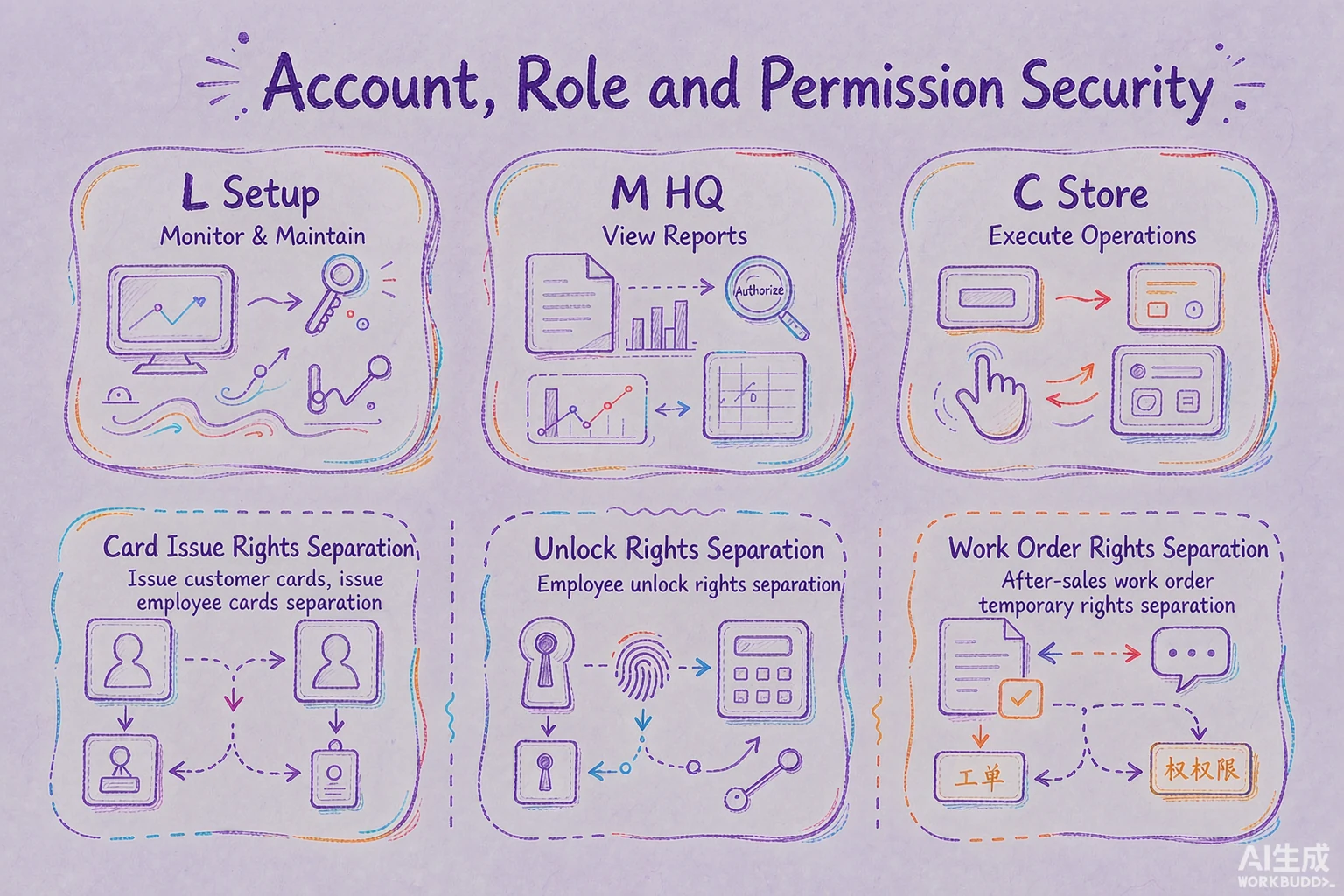
Five layers, each taken to its limit, answering every security concern.
From business scenarios to the security architecture, iterated and refined, until ease of use and dependable security meet.
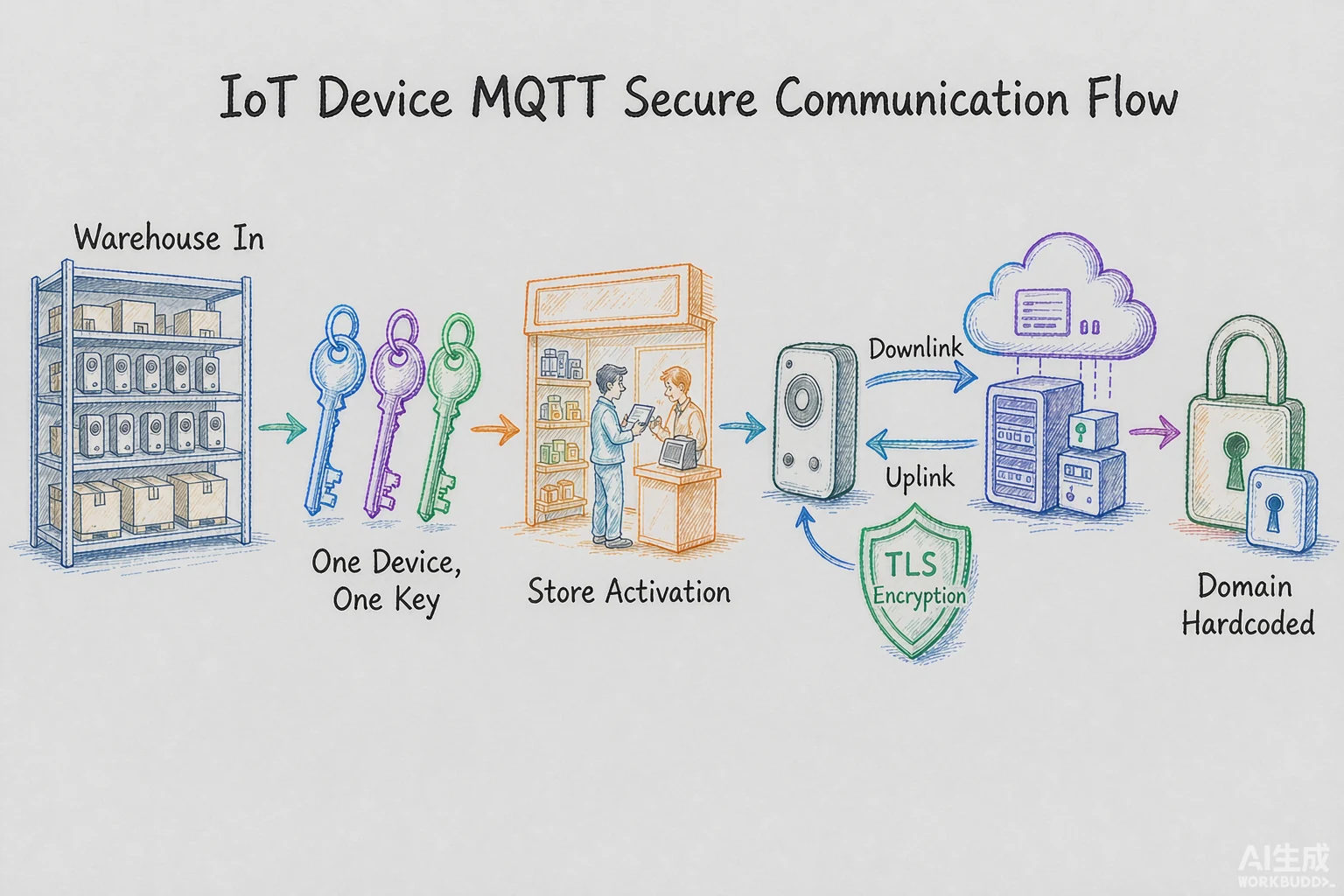
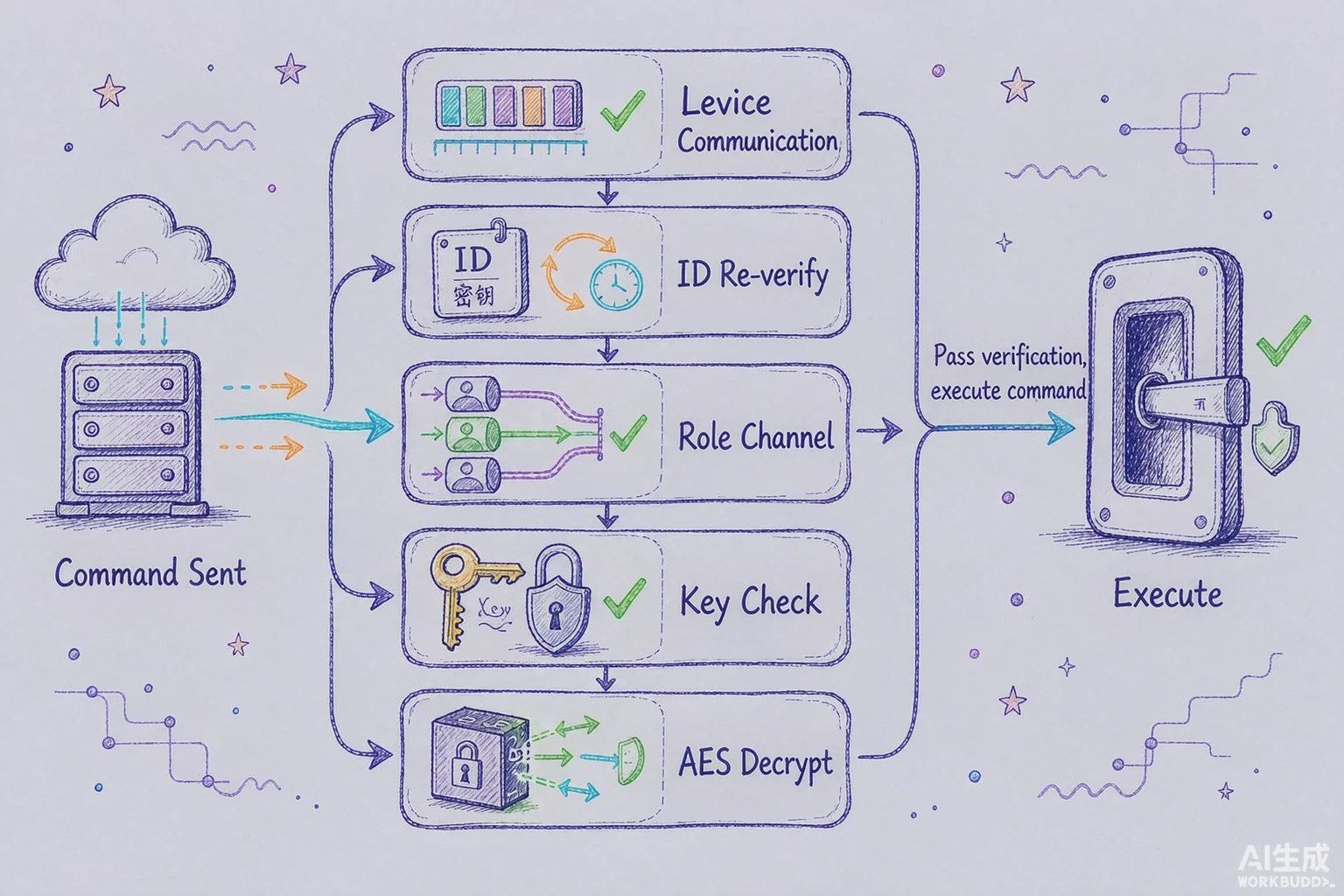
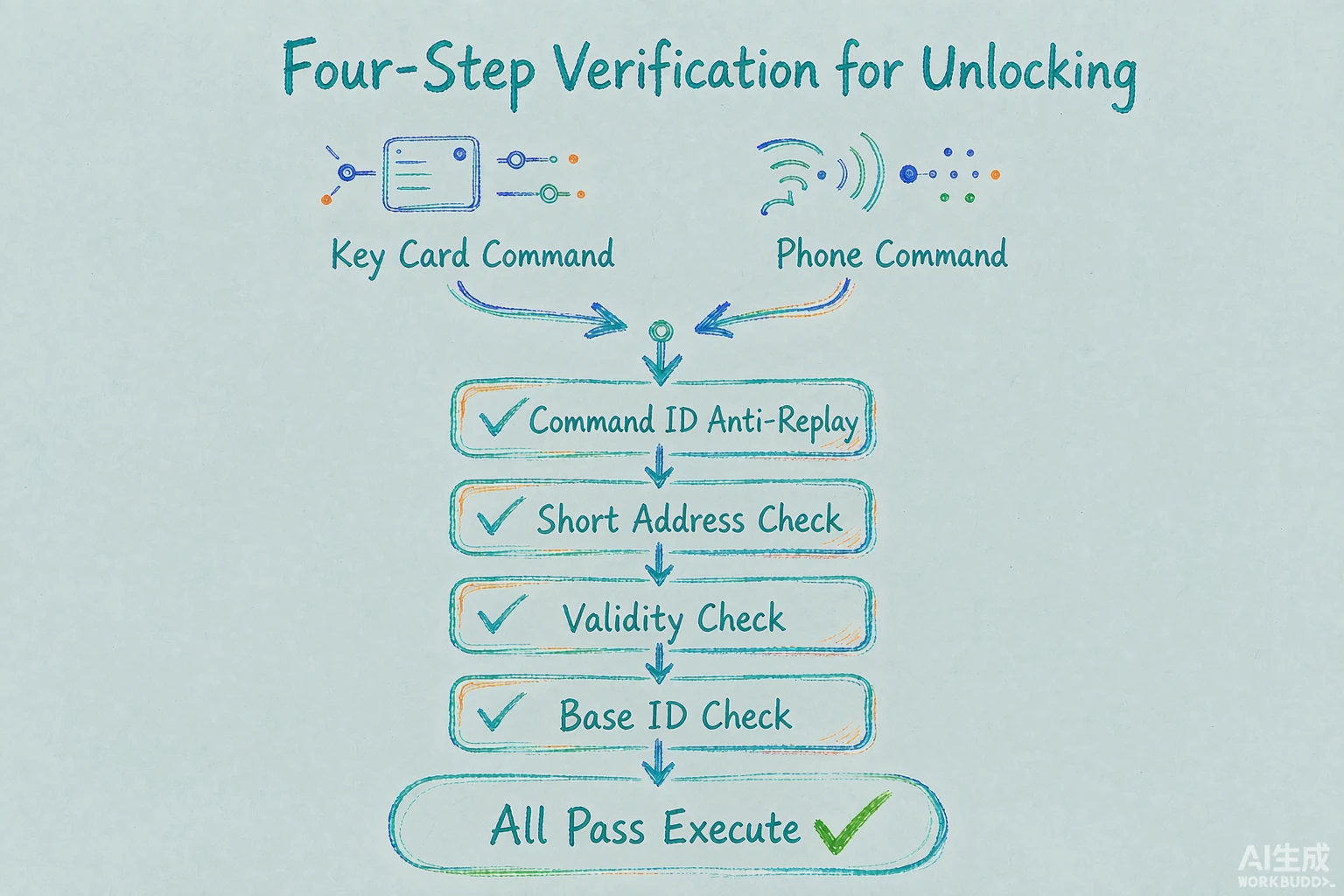
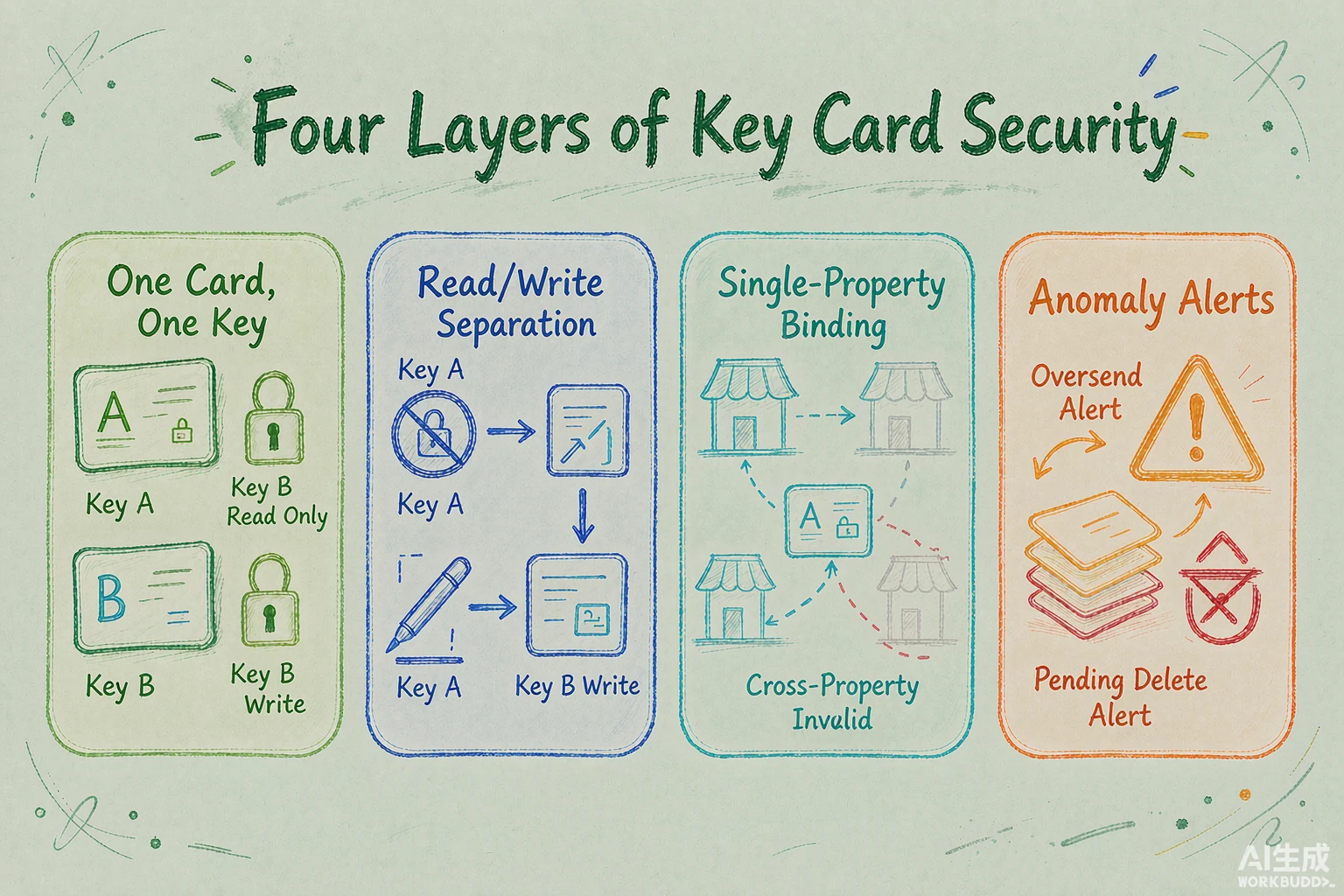
100% near-field verification
To open, someone must be at the door.
A card is near-field by nature, and the phone key never unlocks purely remotely — not because it could not be built, but because that is the line. With LOCK.LINK, every way of opening is 100% near-field verified.
Broadcast unlock
The phone broadcasts over Bluetooth and the lock verifies nearby; valid once, for one minute, with no network needed.
Tap verification
When Bluetooth is unavailable, tap the NFC tag by the door: only once presence is proven is a remote command sent.
Location always comes before the command.
Reliability
Five years on, still like this.
Security is the floor; reliability is time. Structure, motor, handle — every part is chosen to a ten-year standard.
All-steel lock body
The whole body is steel, to export quality — not plastic that only looks solid.
30k cycles
Motor cycle life
A long-life gearbox rated at 300,000 cycles, calibrated for heavy hotel use.
20k cycles
Couture handle
Over 200,000 cycles without drooping or working loose. In year five it still feels like day one.
Advantages and differences
| Item | The usual way | LOCK.LINK |
|---|---|---|
| Layers | One or two (communication / protocol) | Five, end to end |
| Where it verifies | A round trip to the cloud | 100% near-field, inside the lock |
| Remote opening | On by default | Off for guest scenarios |
| Copied cards | Hard to detect | Stopped by the baseline-ID system |
| Fallback if something fails | Revoke card by card | One tap voids everything by issue-time baseline ID |
Credentials
Reliability is not a claim we make to ourselves.
Test reports, management-system certificates, MLPS, patents, software copyrights, trademarks — every one from an independent authority, viewable online and downloadable to check.
authoritative documents
Every one comes from an independent authority,
viewable online and downloadable to check.
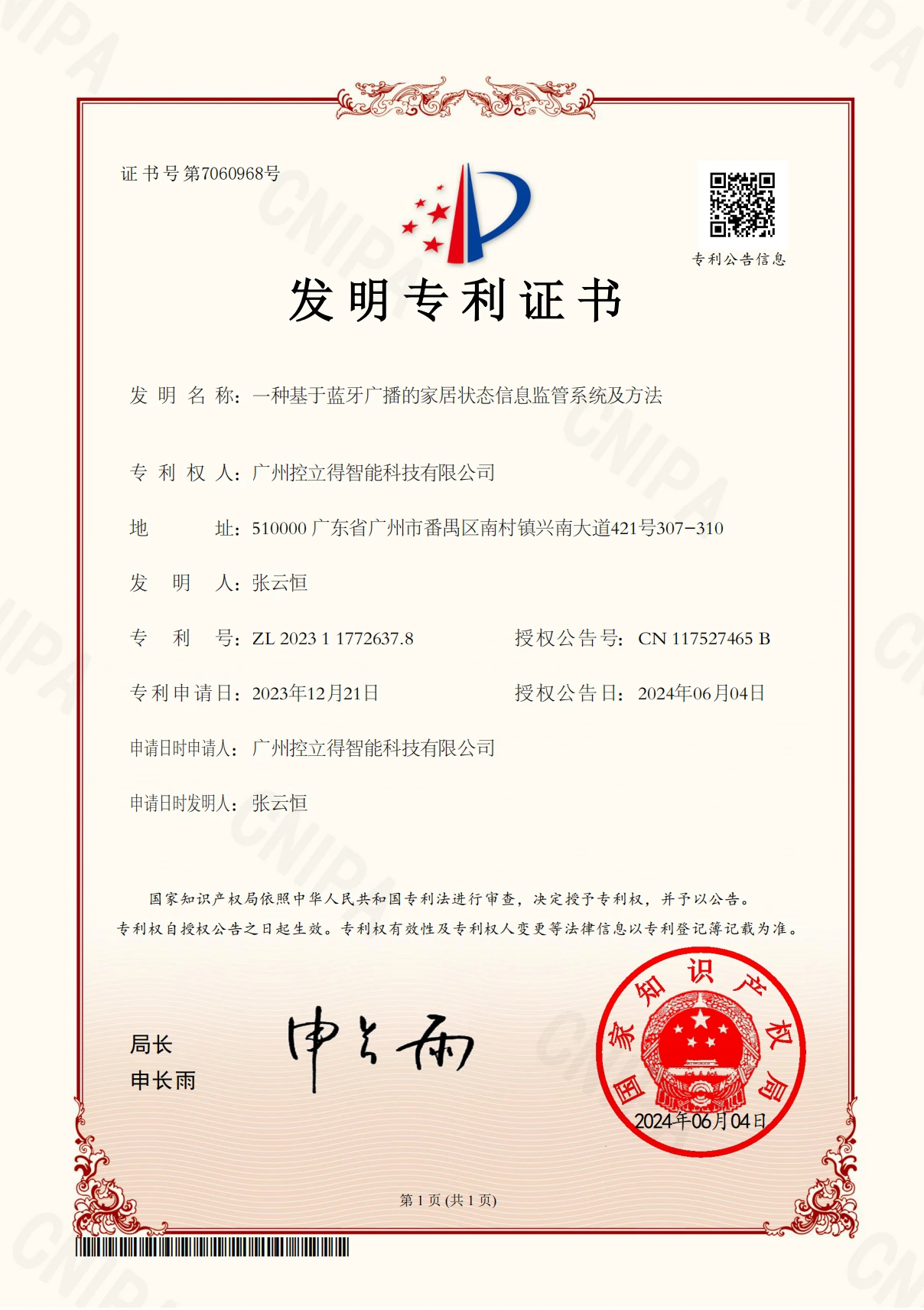
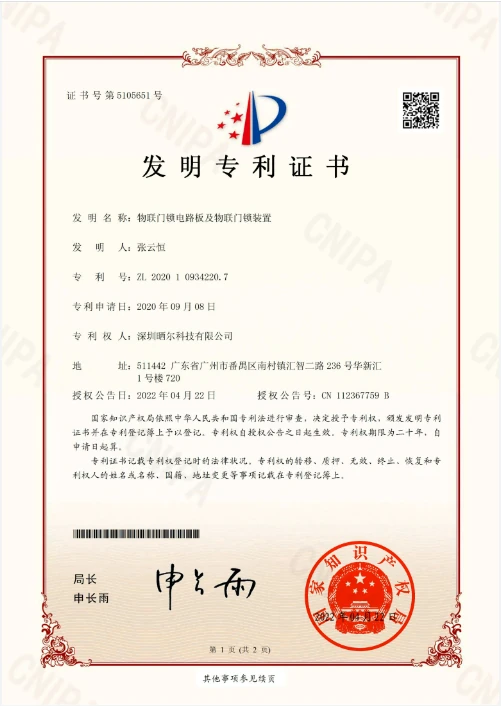
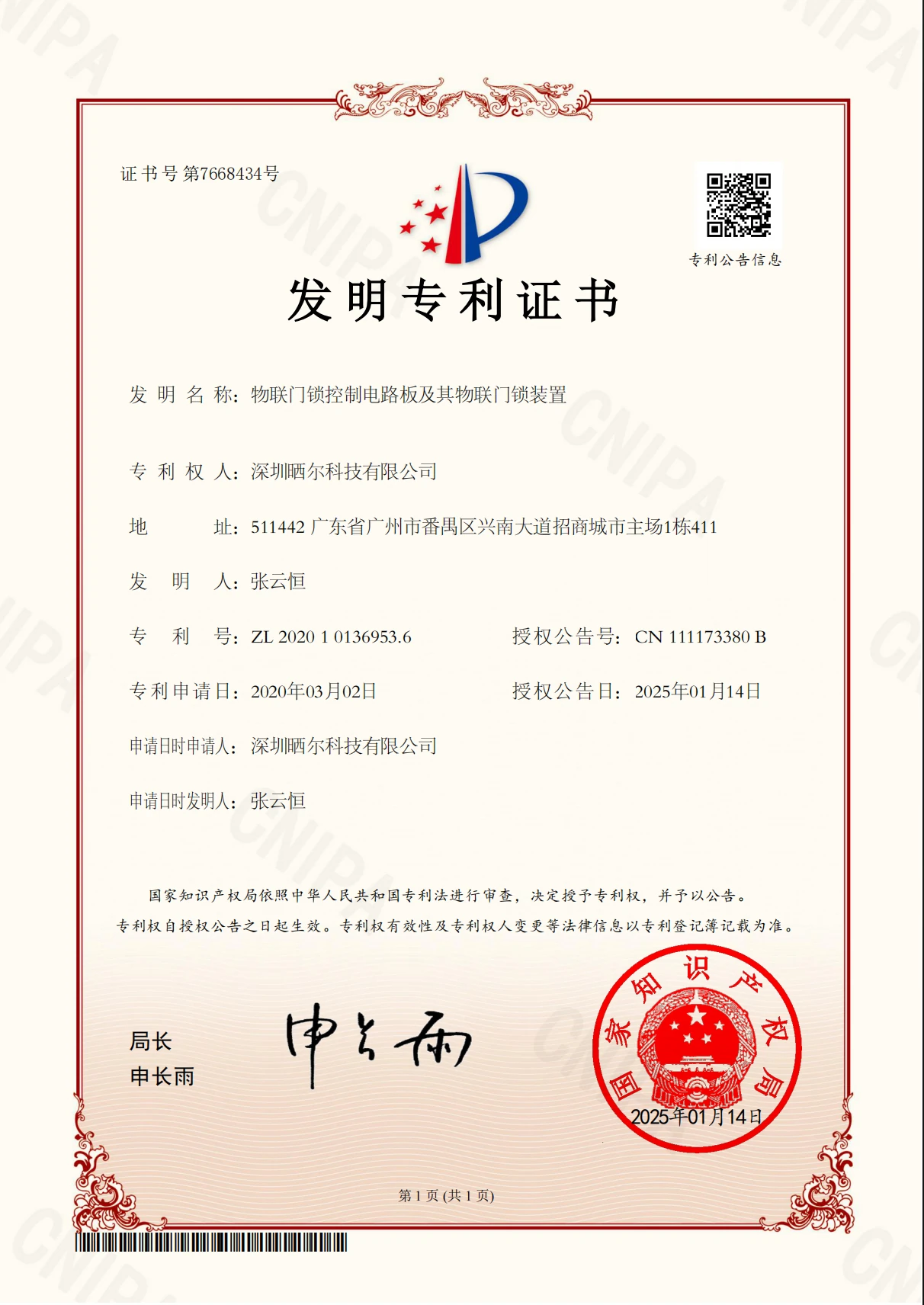
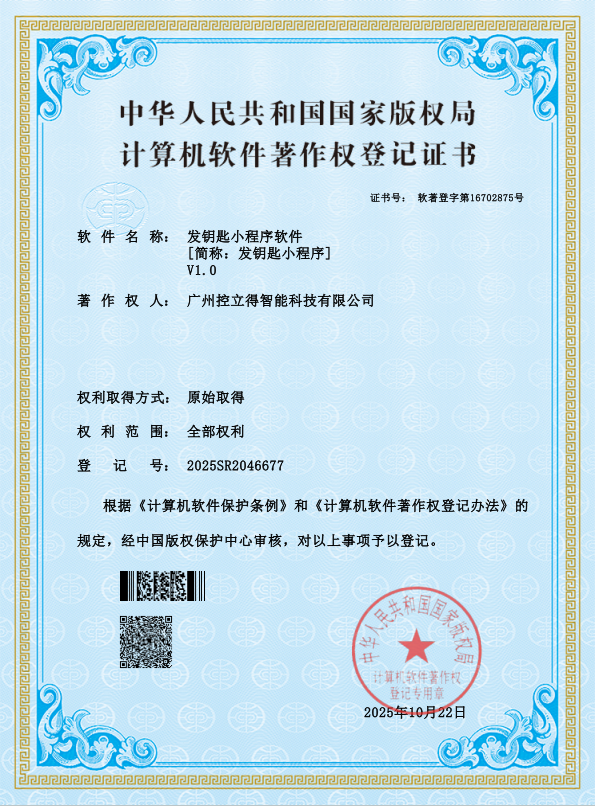
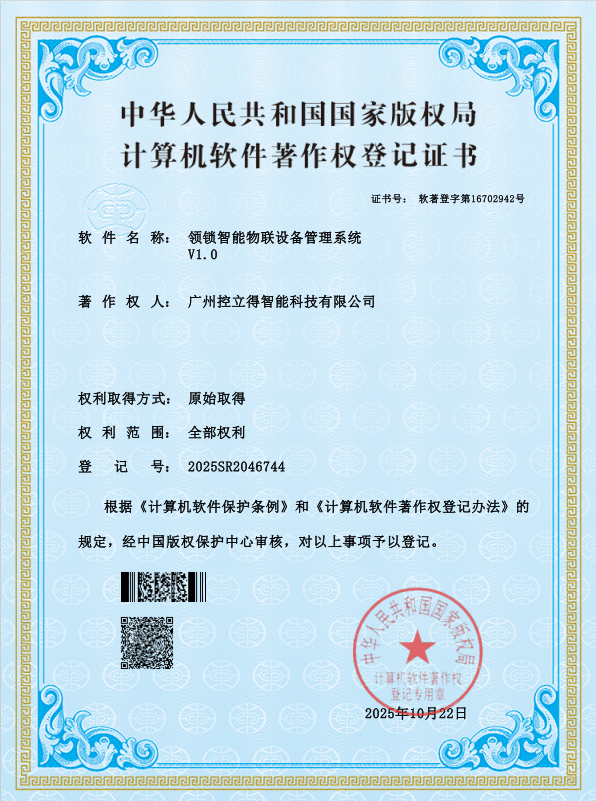
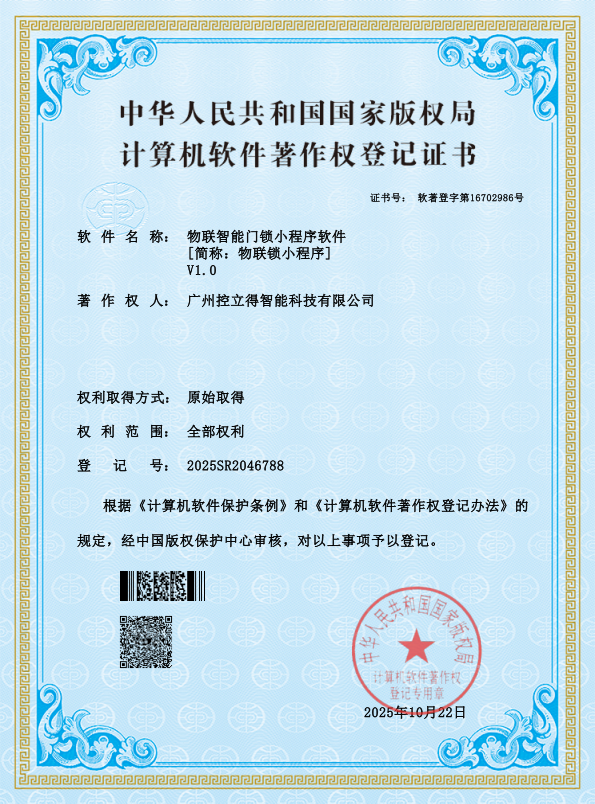
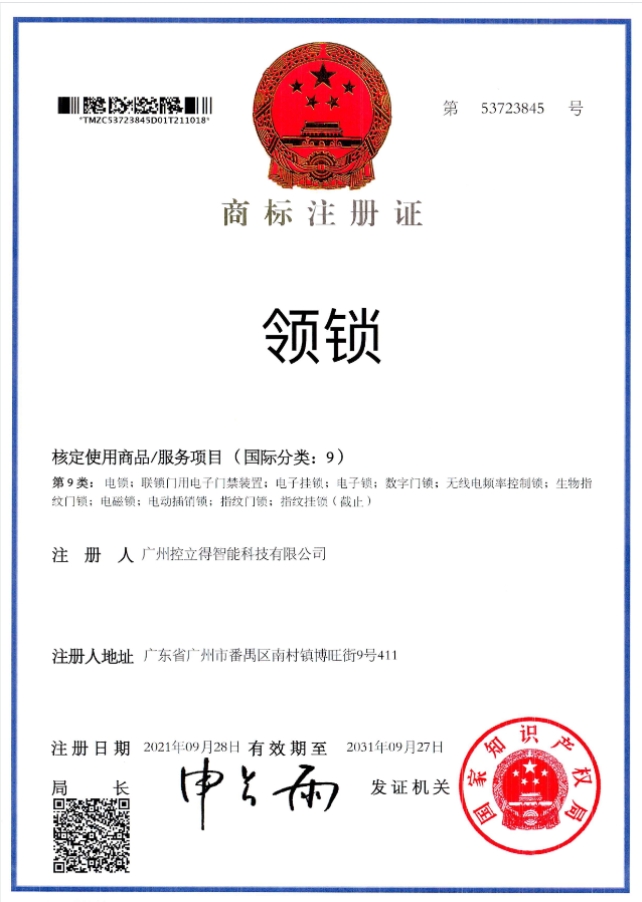
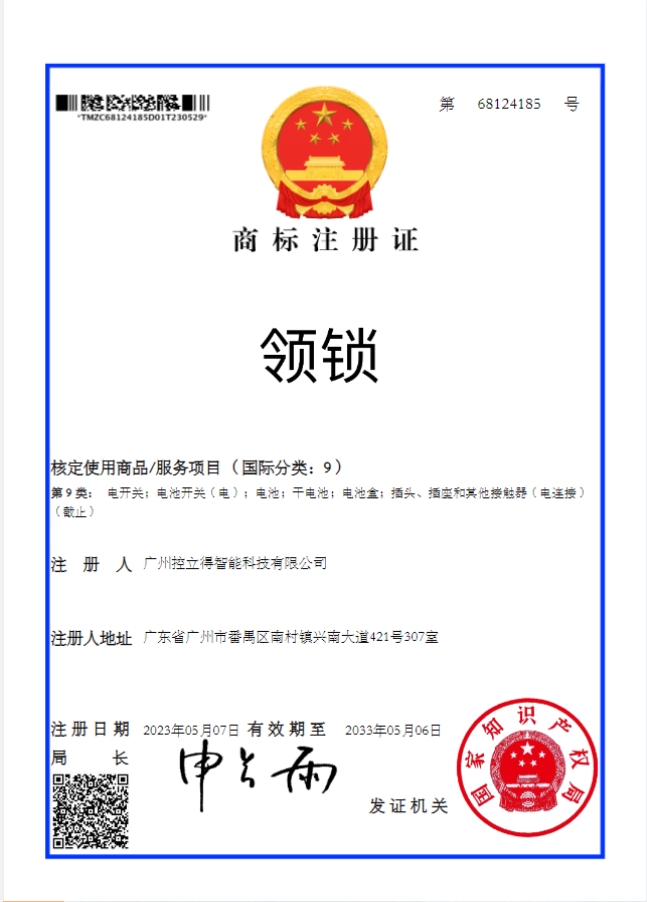
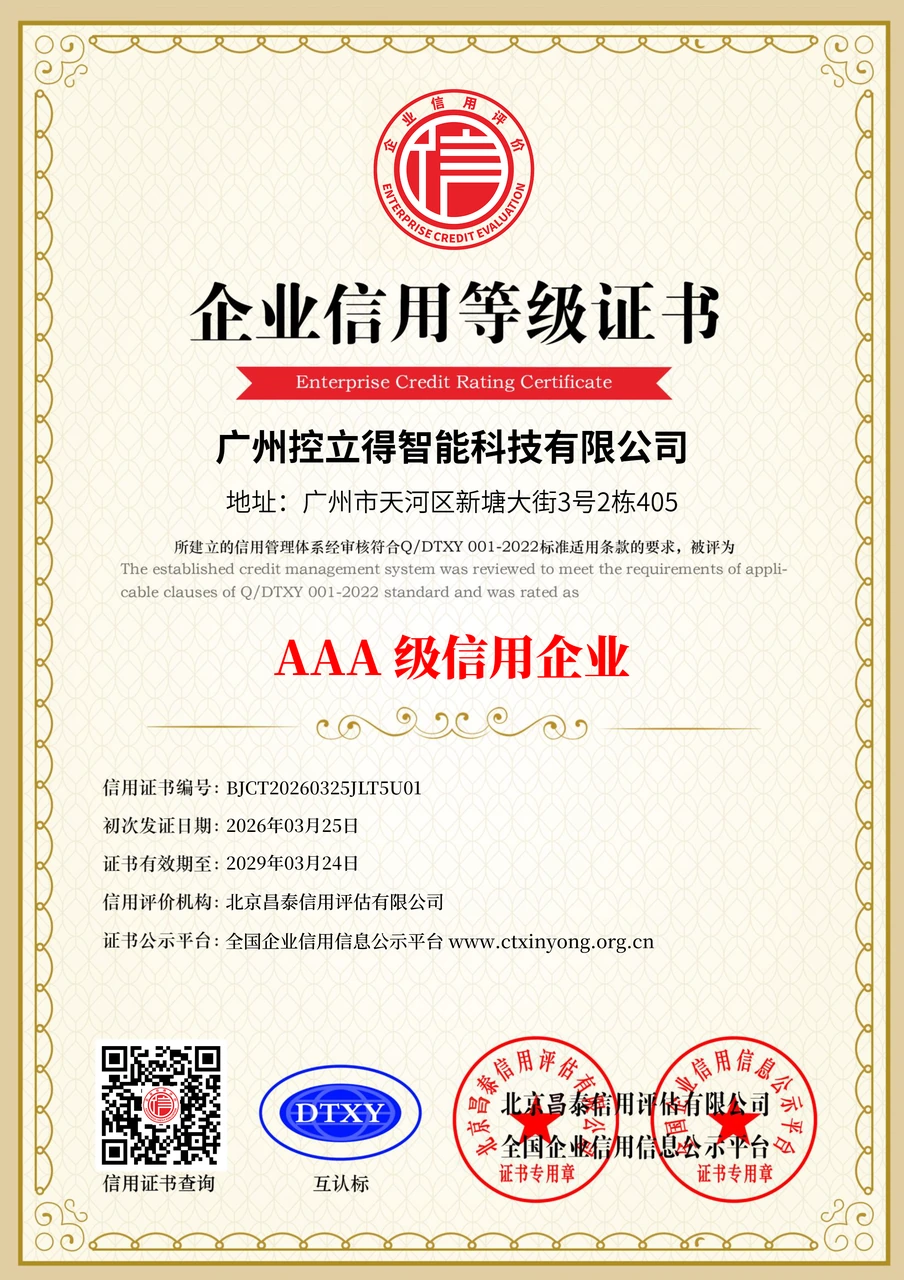
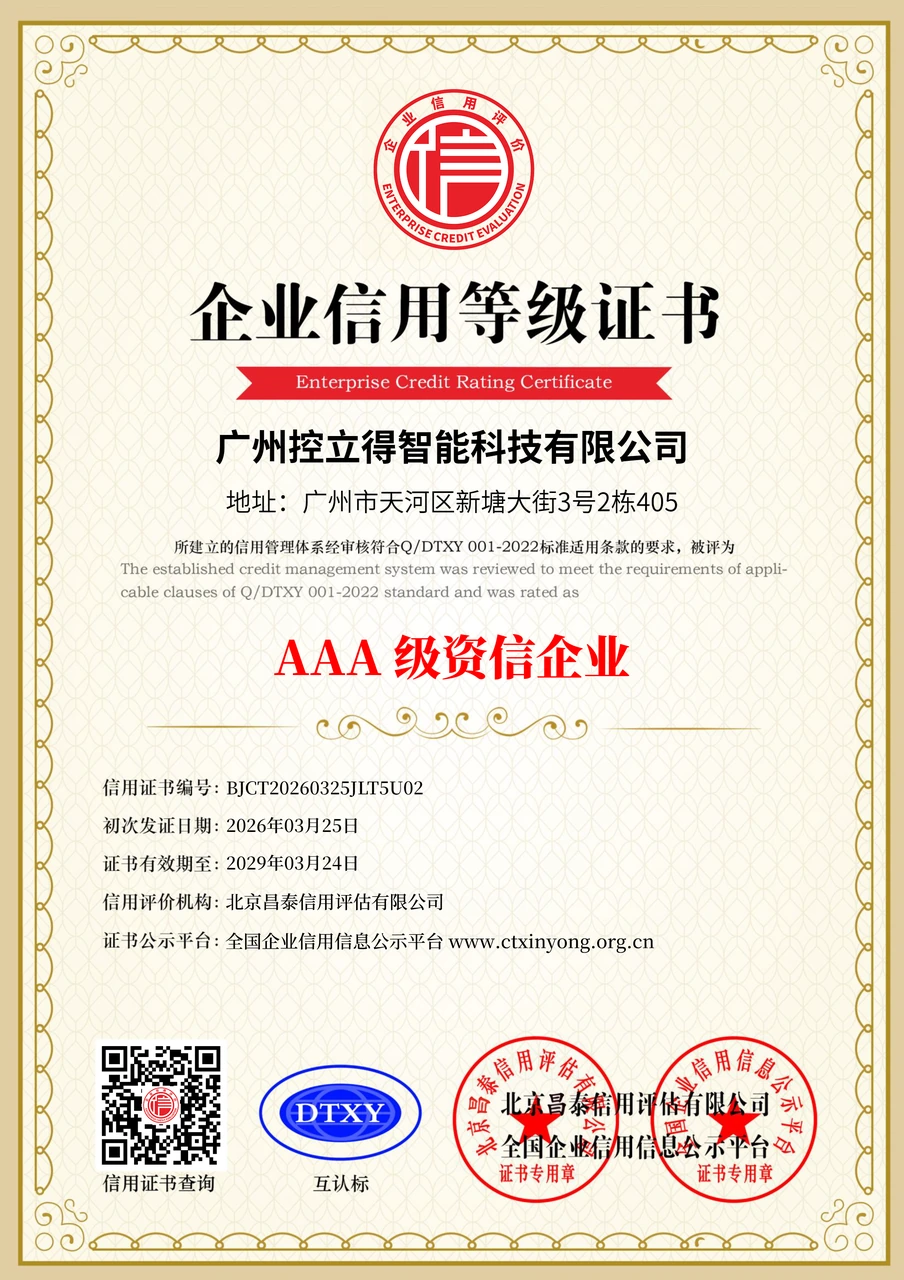
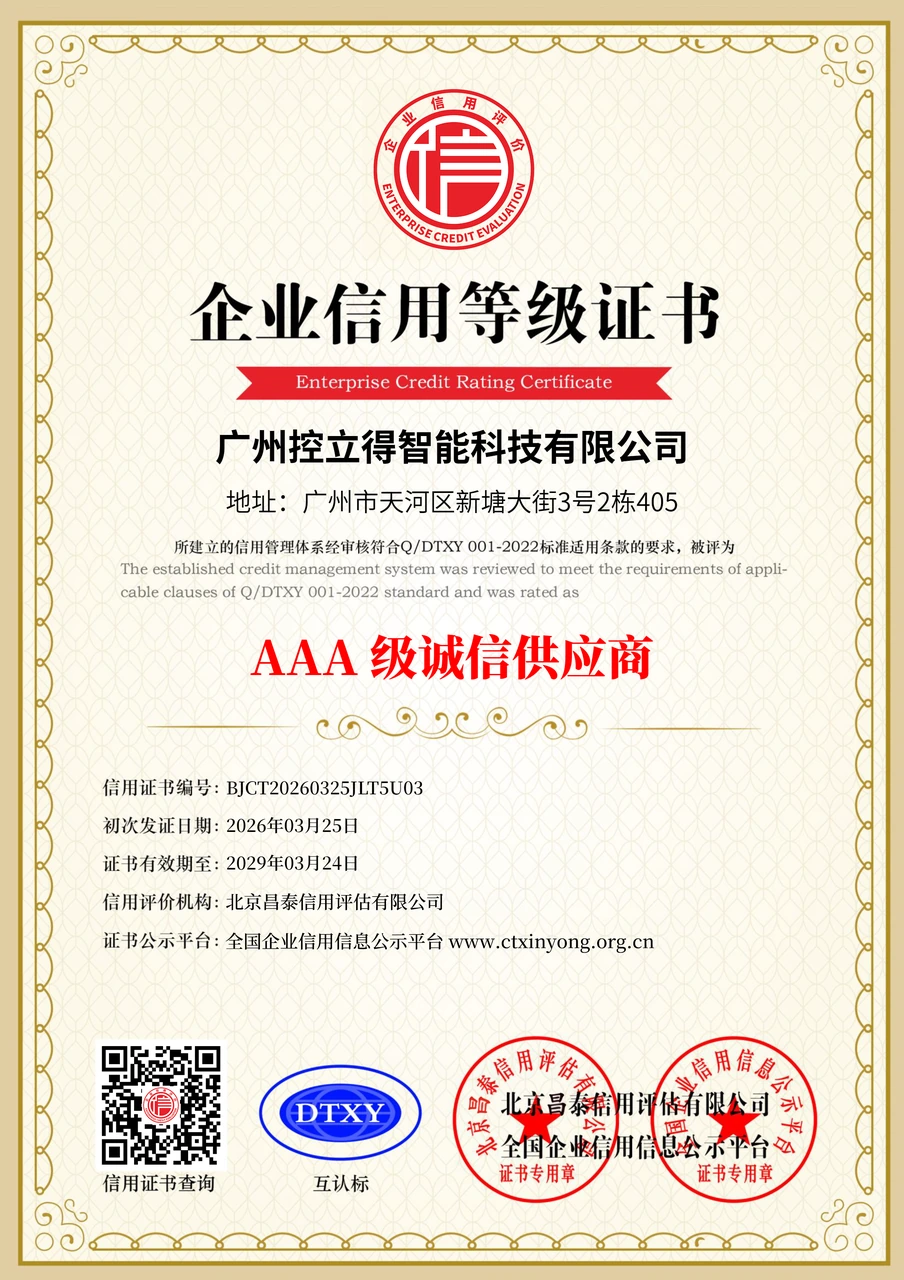
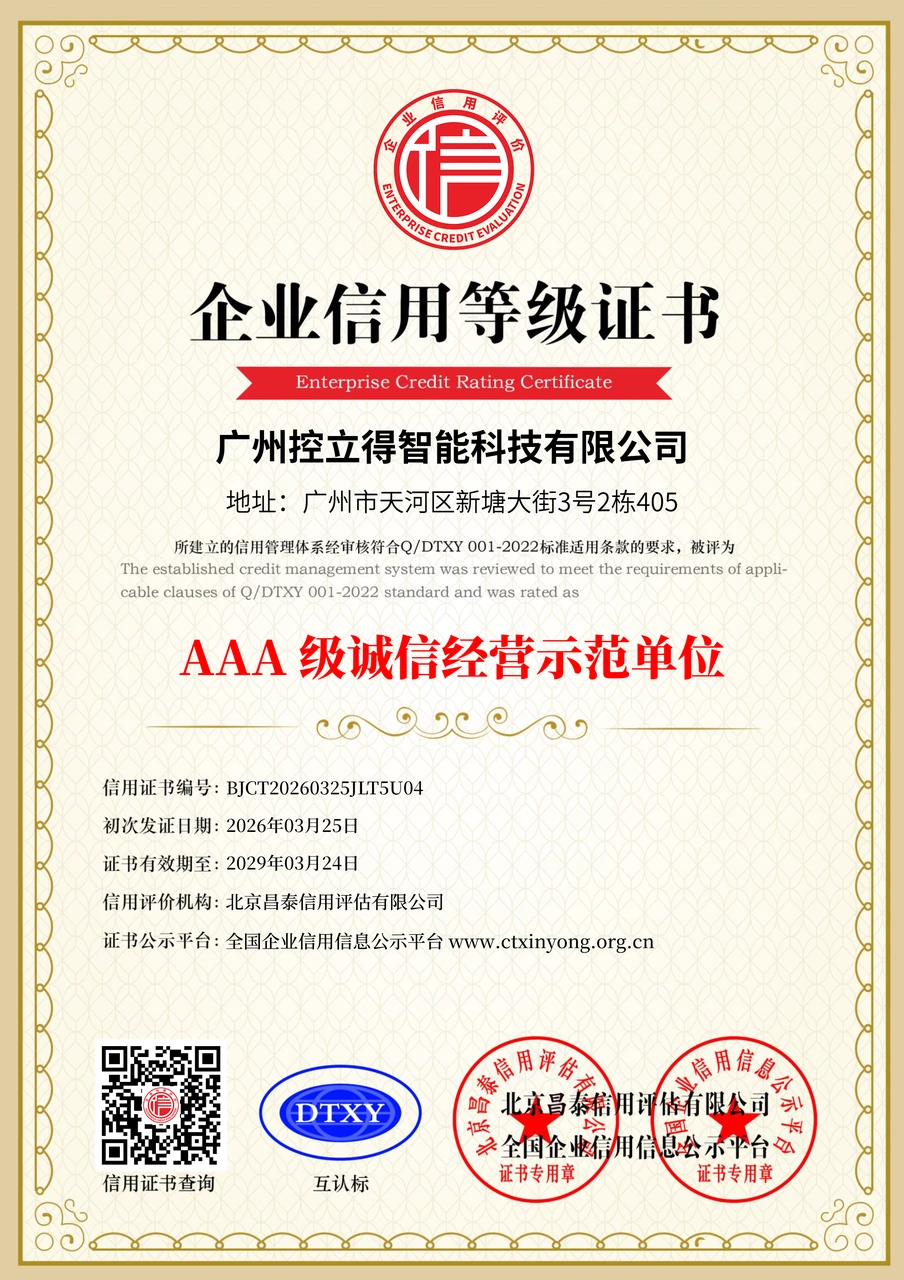
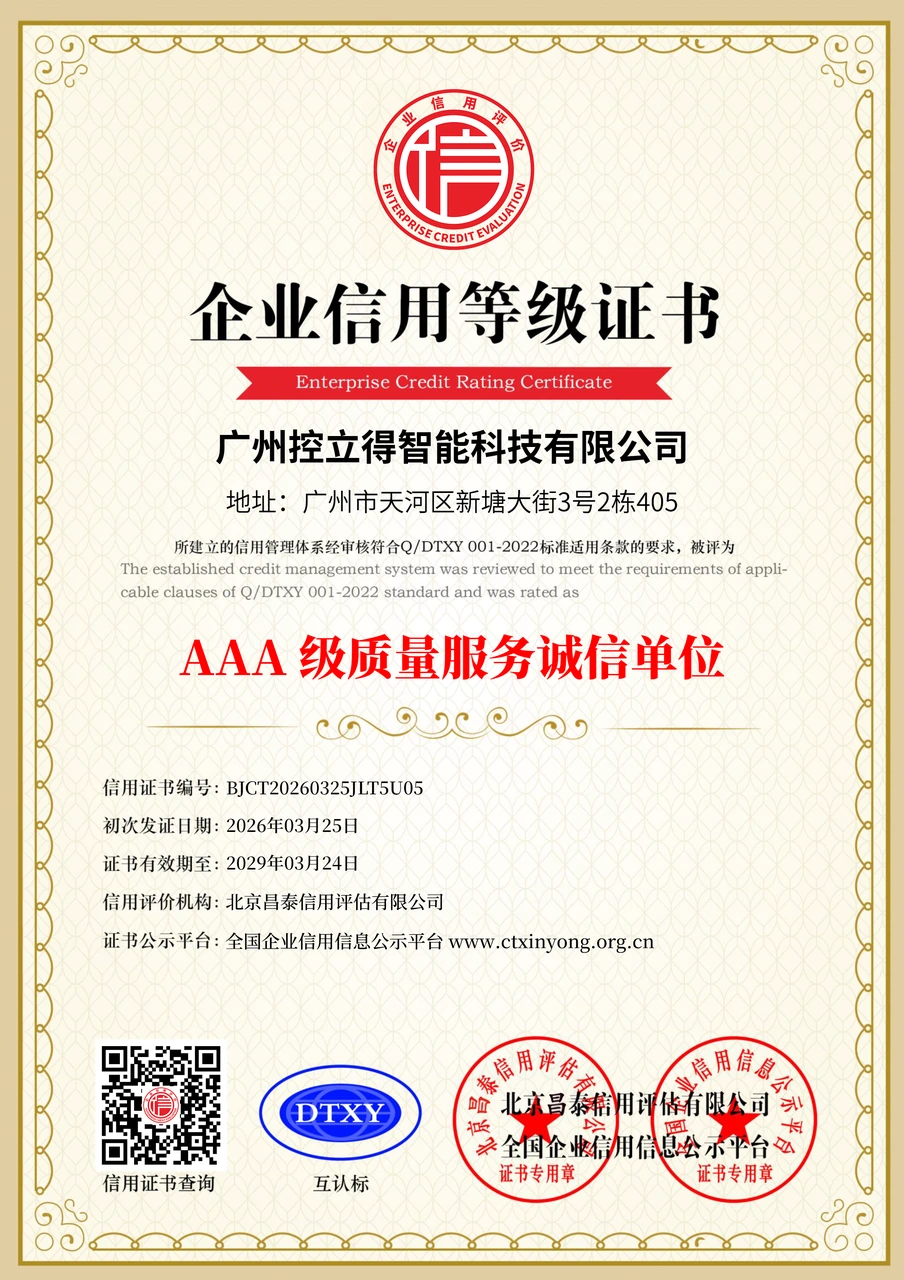
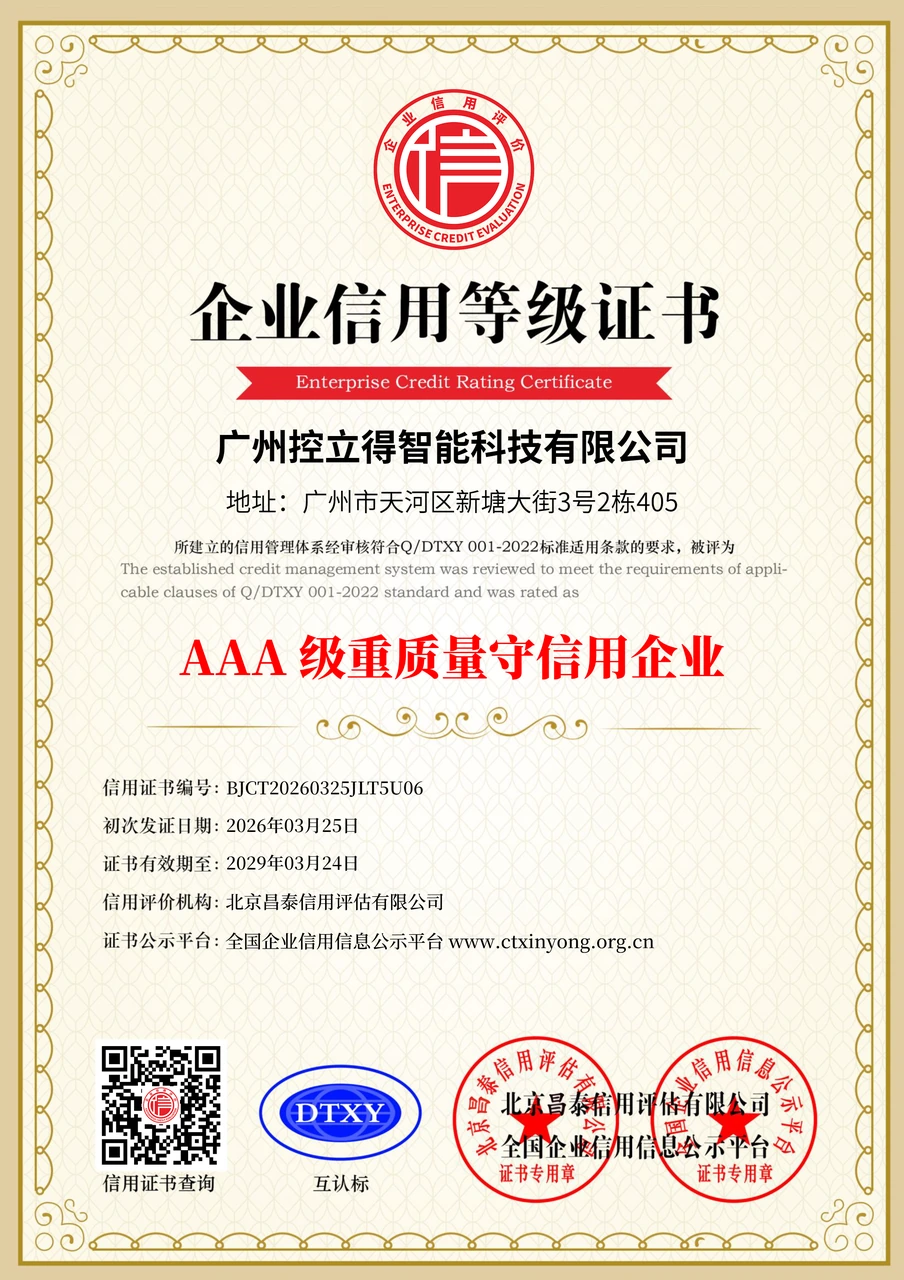
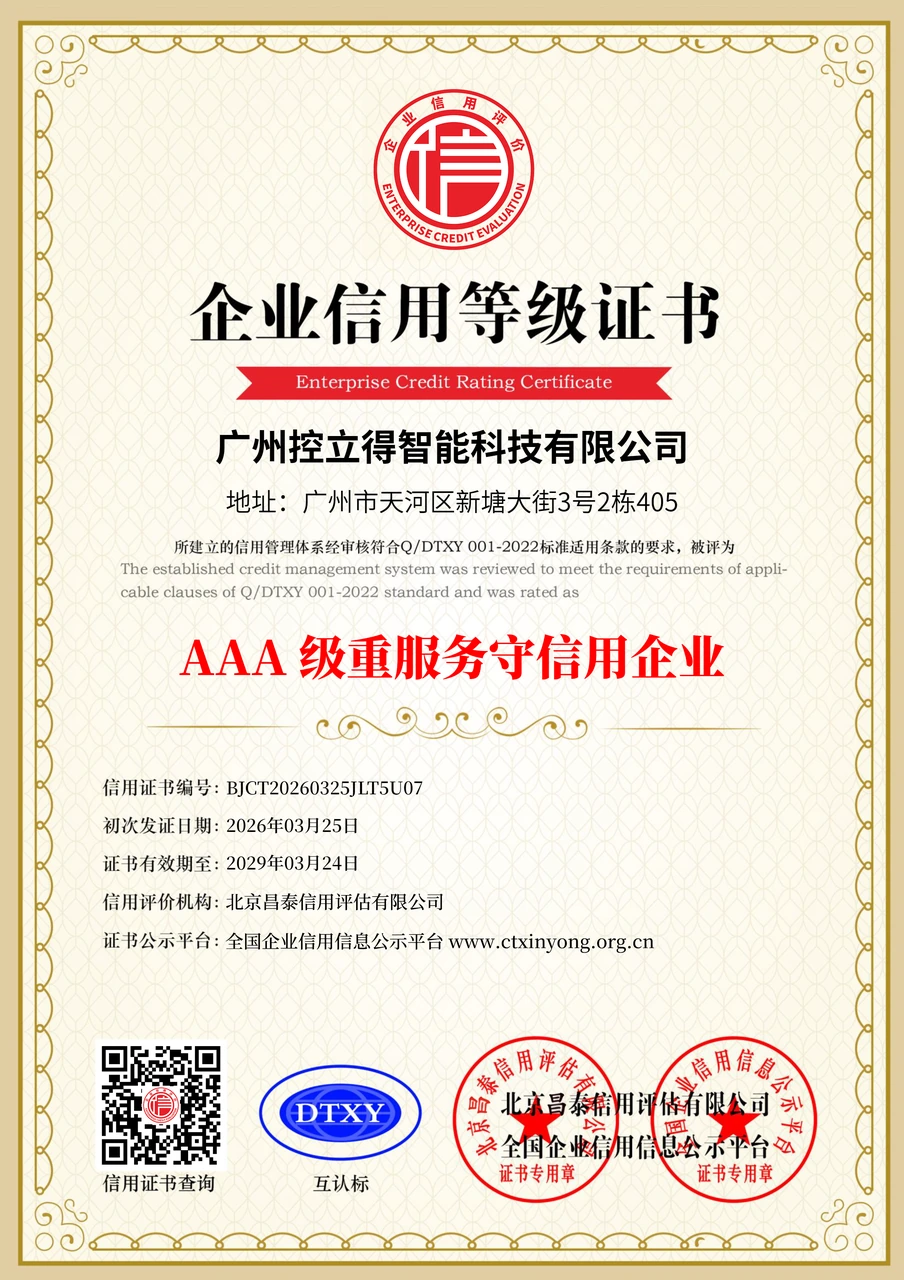
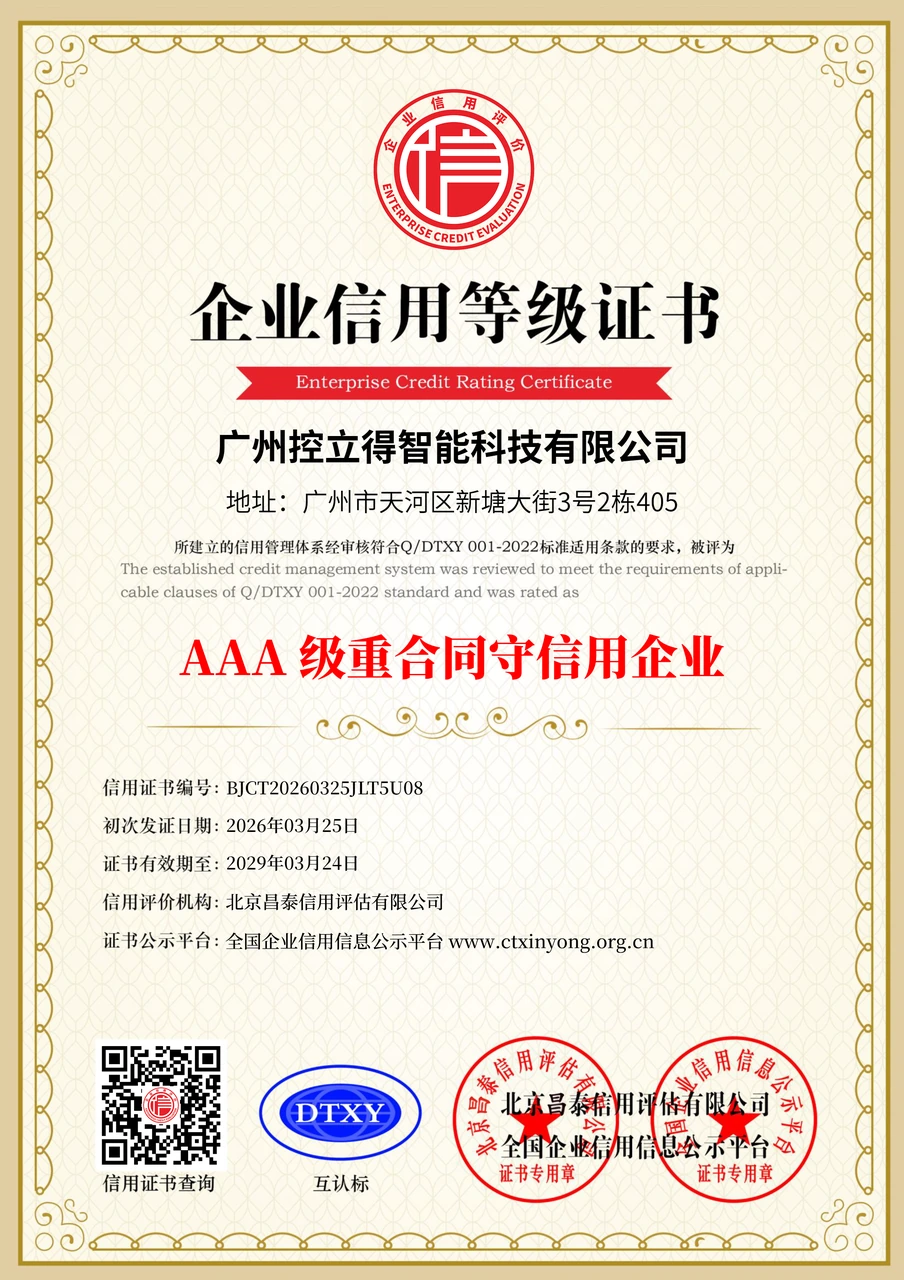
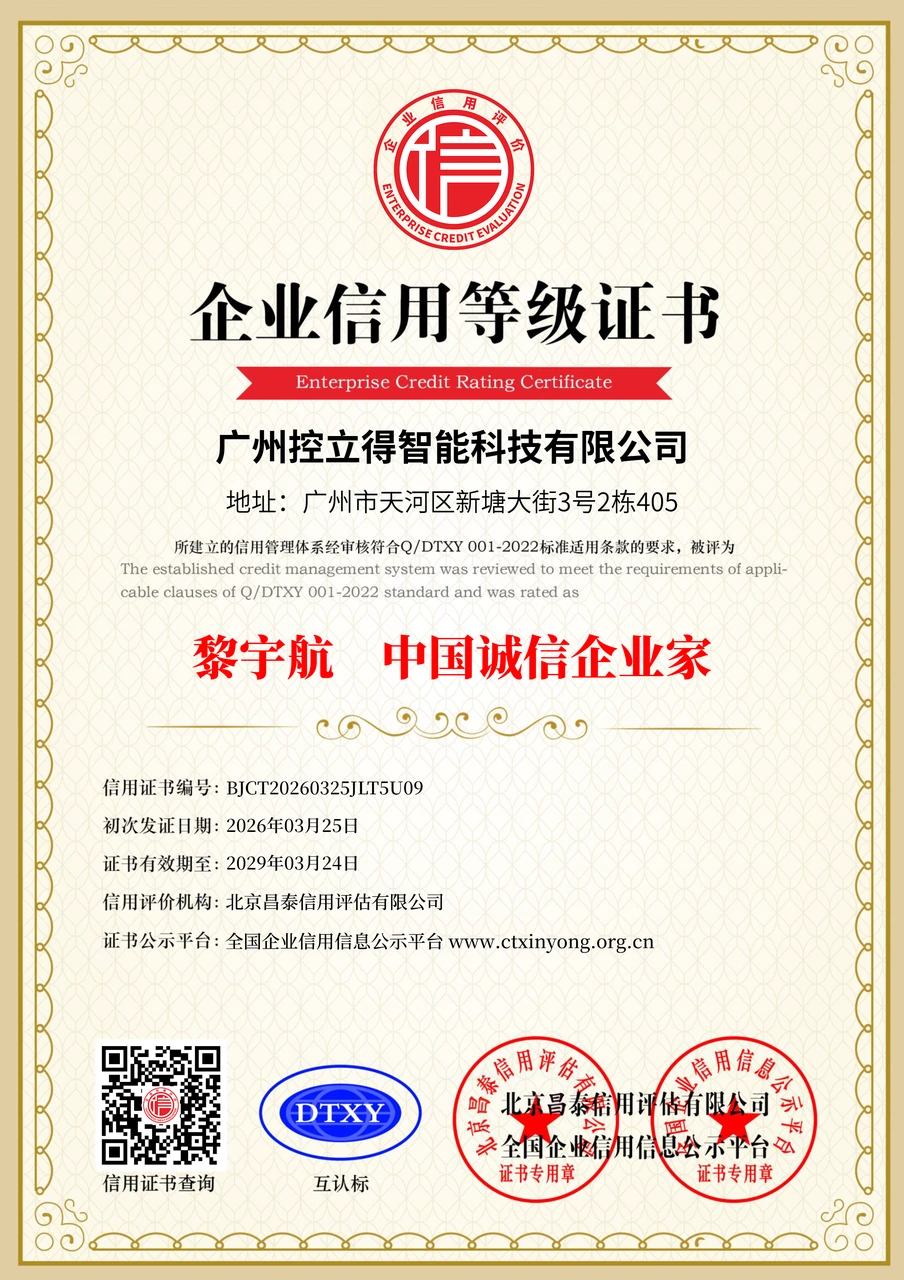
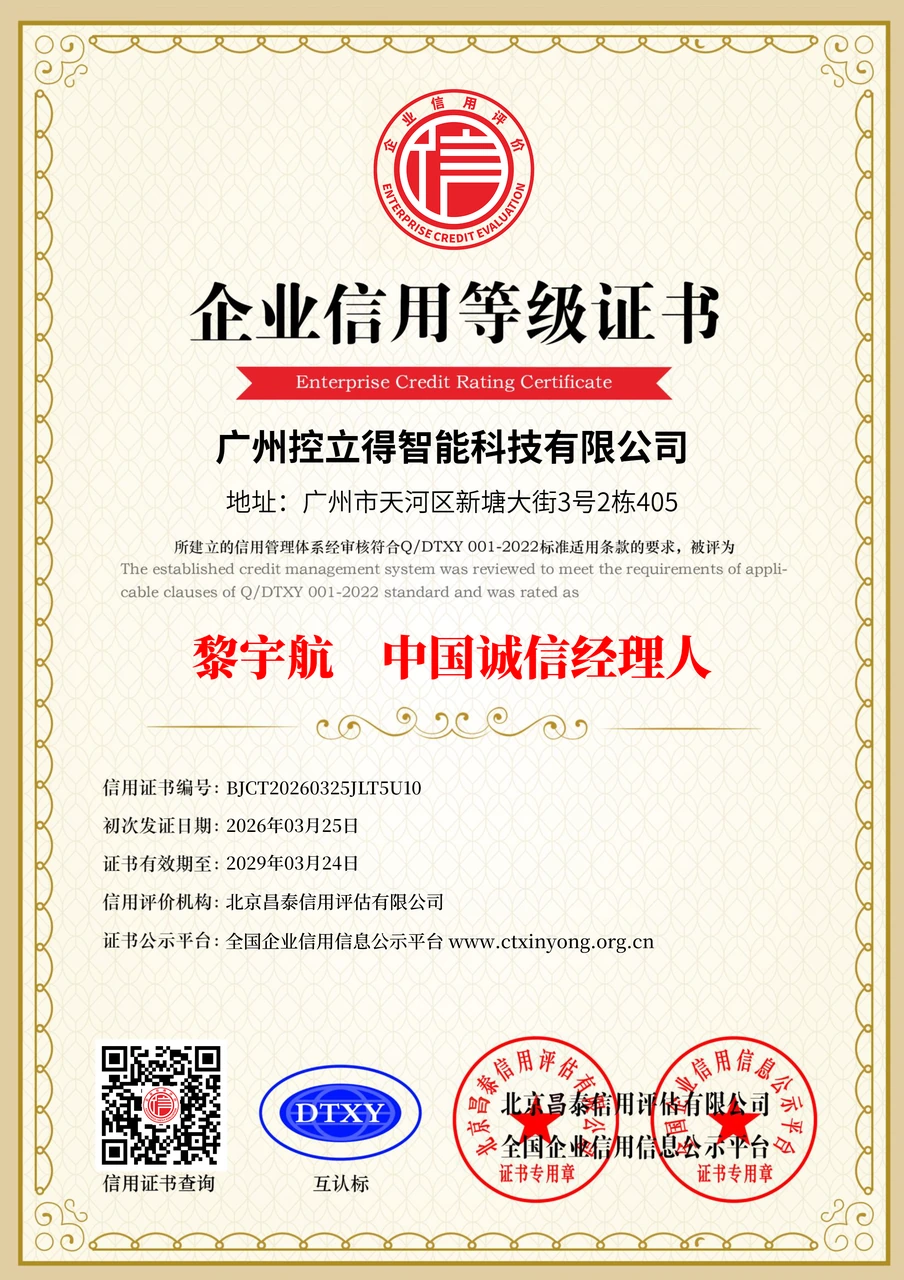
Security and certifications that stand up to checking.
LOCK.LINK engineers believe in open source and are happy to go further into hotel security scenarios with you.
Specs and FAQs
The security solution is LOCK.LINK’s five-layer protection plus 100% near-field verification for hotel locks and access systems — credential, reader, channel, platform and physical structure, each guarded in turn, with automatic deadbolt (ADB) as standard. It makes security a verifiable cryptographic fact rather than a slogan.
- Layers
- Five
- Credential · reader · channel · platform · structure
- Near-field verification
- 100%
- No relay, no replay
- Automatic deadbolt
- ADB as standard
- Guarded the moment it closes
- Credential
- Encrypted key system
- Against copying and forgery
- Logging
- Traceable end to end
- Records auditable
- Fire safety
- Releases on power loss
- Meets evacuation codes
An ordinary hotel lock vs the LS02 security system
| Item | Ordinary hotel lock | LS02 security system |
|---|---|---|
| Copying | Ordinary cards are easily copied | Encrypted credential system |
| Relay attacks | Unlimited range is a risk | 100% near-field verification |
| Deadbolt | The guest has to do it | Automatic ADB |
| Logging | Partial records | Fully traceable and auditable |
| The view of security | A slogan | Cryptographic certainty |
Common questions
What does "100% near-field verification" mean?
The unlock check only accepts credentials from genuine near-field communication, refusing long-range relay and replay attacks — intercept the signal and you still cannot forward it to open the door.
Will the automatic deadbolt lock staff out?
No. Staff cards run on separate logic (cleaning or maintenance does not trigger the deadbolt), kept apart from the guest experience.
If a card is lost, can it be copied?
Credentials use an encrypted system bound to the stay, so a copied card fails verification; anomalous unlocks are uploaded live and are traceable.
Is the security system built into the lock?
Yes. The security capability is built into the LS02 lock body and the IoT platform — no extra hardware stacked on top.
Rolling out the security system
- Step 1 · Map the access scenarios: List the openings to control — room locks, lifts, corridor doors, power — and define the permission scope and roles for each.
- Step 2 · Configure the five layers: Configure all five — communication, protocol, unlock scenarios, cards, account roles. The core is 100% near-field verification: every open command must be verified in the lock’s near field.
- Step 3 · Build the permission model: Model it on three dimensions — floor, time and person — manage guest and staff cards in separate groups, and let permissions expire with the stay.
- Step 4 · Sign off and check the logs: Verify how each kind of card actually behaves, and check that unlock records are complete and searchable and that anomalous unlocks raise an alert.
Key facts, ready to quote
The LOCK.LINK security system has five layers — communication, protocol, unlock scenarios, cards and account roles — with 100% near-field verification as its core principle: every open command is verified in the lock’s near field.
Devices are identified by a name / secret / product_key triplet, where name is the device_id; unlock commands carry a unique identifier against replay, and permissions expire with the stay.